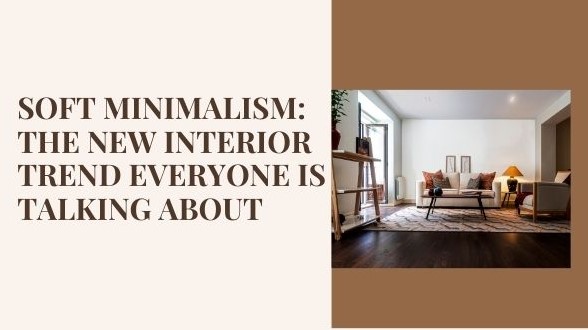
Soft Minimalism: The New Interior Trend Everyone Is Talking About
December 21, 2025Minimalism has always been known for its clean lines, open spaces, and clutter-free design. But over the past few years, a new and much warmer version of this style has taken over homes around the world—Soft Minimalism. Unlike the strict, cold minimalism of the past, soft minimalism feels comforting, calm, and deeply livable. It blends simplicity with warmth, allowing homeowners to enjoy a peaceful, modern environment without losing personality or comfort.
Today, people want homes that feel both beautiful and emotionally supportive. They want spaces that look clean but not empty, stylish but not sterile. That is exactly why soft minimalism has become one of the most talked-about interior trends in 2026. It represents the perfect middle ground—simple, serene, and softly luxurious.
What Is Soft Minimalism?
Soft minimalism is a design approach that keeps the clean, uncluttered look of traditional minimalism but adds warmth, texture, and a touch of coziness. Instead of plain white rooms and sharp edges, soft minimalism uses:
- Warm neutral tones
- Gentle curves
- Natural materials
- Soft fabrics
- Layered textures
- Thoughtfully selected décor
The goal is to create a space that feels light and airy but also warm and welcoming.
Soft minimalism does not remove personality—it refines it. It encourages you to keep only what matters, to prioritize comfort, and to surround yourself with pieces that bring joy and calm.
Why Soft Minimalism Is the Trend of 2026
1. People Want Peaceful, Stress-Free Spaces
The world is louder than ever—constant notifications, busy schedules, and fast lifestyles. Soft minimalism gives people a place to breathe. Homes designed with this style feel peaceful, uncluttered, and grounding. The visual simplicity helps lower stress and promotes relaxation.
2. It Creates a “Quiet Luxury” Look
Quiet luxury is a growing design movement that values quality over showiness. Soft minimalism fits perfectly with this mindset. Instead of flashy décor, it uses:
- Timeless furniture
- High-quality materials
- Handmade, meaningful pieces
- Subtle, muted colors
This makes a home feel sophisticated without feeling overdone.
3. It Works Well with Sustainable Living
Soft minimalism naturally encourages sustainable choices. Because the style focuses on fewer, better items, people are more likely to invest in:
- Natural materials like wool, cotton, wood, and stone
- Handcrafted furniture
- Long-lasting rugs and décor
- Eco-friendly textiles
This creates a more ethical and environmentally conscious home.
4. It Matches Every Home Style
Whether you live in an apartment, a house, or a studio, soft minimalism blends easily. Its neutral palette and simple layout complement modern, contemporary, boho, and even classic homes.
Key Elements of Soft Minimalist Design
1. Warm Neutrals Instead of Cold Whites
Traditional minimalism often relies heavily on bright white tones. Soft minimalism shifts to a warmer palette, such as
- Cream
- Sand beige
- Oatmeal
- Taupe
- Soft browns
- Warm grays
- Muted sage or olive
These colors make a space feel cozy and inviting.
2. Natural Materials
Materials play a big role. Instead of glossy or industrial finishes, soft minimalism uses:
- Raw wood
- Clay
- Stone
- Wool
- Cotton
- Linen
- Rattan
These create a grounded, organic feeling.
3. Curved Furniture and Gentle Shapes
Sharp edges are replaced by soft curves:
- Rounded sofas
- Arched mirrors
- Curved tables
- Soft-edged ottomans
Curves create flow and softness in a room.
4. Layered Textures
Texture adds life and warmth to minimalist spaces. Popular combinations include:
- A wool or jute rug
- Linen curtains
- Cotton throw blankets
- Wooden accents
- Stone vases
Layering textures keeps the design simple but never boring.
5. Functional and Thoughtful Décor
Soft minimalism avoids clutter, but it’s not empty. Instead, it uses carefully chosen pieces like
- A handcrafted vase
- A ceramic bowl
- A textured rug
- A framed art print
- A natural fiber basket
Every item has a purpose and adds calm beauty.
6. Open Spaces and Natural Light
Soft minimalism values breathing room. It embraces:
- Open layouts
- Unblocked windows
- Light, airy curtains
- Simple furniture arrangements
The goal is to make the home feel spacious and soothing.
How Soft Minimalism Enhances Everyday Living
1. A Calming Atmosphere
The warm tones and clean layout create a peaceful environment that supports mental well-being. It becomes easier to focus, relax, and feel balanced.
2. Less Visual Noise
Cluttered rooms can make the mind feel cluttered too. Soft minimalism minimizes distractions, making daily life smoother and clearer.
3. A More Organized Home
Because the style encourages mindful ownership, homeowners naturally reduce unnecessary items and develop simple organizational habits.
4. Comfortable, Livable Spaces
Even though it is minimal, this style never sacrifices comfort. Plush fabrics, soft rugs, and cozy seating make the home feel relaxing and usable.
5. Timeless Appeal
Soft minimalism does not rely on trends. It stays relevant for years because it focuses on timeless design, natural materials, and functional beauty.
Soft Minimalism vs. Traditional Minimalism
Feature Traditional Minimalism Soft Minimalism Color Palette Pure whites, black, cold tones Warm neutrals and earthy tones Feel clean but can be cold. Warm, cozy, and inviting Materials Metal, glass, synthetic Natural materials like wood, linen, and stone Comfort Sometimes lacking Prioritizes comfort Décor: Almost bare Minimal but meaningful
Soft minimalism proves that simple living doesn’t have to feel strict.
Soft Minimalism Décor Ideas for Every Room
1. Living Room
- Choose a neutral sofa with curved edges.
- Add a wool or jute rug for grounding
- Keep a minimal coffee table with one or two décor pieces.
- Use warm wooden accents
- Add soft lighting through floor lamps or diffusers
2. Bedroom
- Linen bedding in earthy tones
- A textured throw blanket
- Wooden or upholstered bed frame
- Warm-toned table lamps
- Decluttered nightstands
3. Kitchen & Dining
- Wooden dining table with simple seating
- Open shelves with essential items
- Neutral ceramic dishes
- Soft under-cabinet lighting
- Minimal countertop clutter
4. Bathroom
- Stone or ceramic accessories
- Soft cotton towels
- Light, neutral shower curtain
- A simple plant for freshness
How to Incorporate Soft Minimalism Without Redecorating Everything
You don’t have to rebuild your home to adopt this trend. Start with a few simple changes:
- Declutter and keep only what you love
- Switch to warm neutral colors
- Add one or two textured rugs
- Choose natural fabrics for pillows and bedding.
- Replace sharp-edged furniture with softer lines if possible.
- Use warm lighting instead of bright white bulbs.
- Keep décor simple but meaningful.
Even small adjustments can transform your space into a soft minimalist haven.
Why Soft Minimalism Is Here to Stay
Soft minimalism is more than a trend—it reflects the way people want to live moving forward. Homes should feel light, calm, and comforting. They should support mental wellness, reduce stress, and allow room for connection.
This design style fits perfectly into that vision. It blends warmth with simplicity, natural inspiration with modern elegance, and mindful living with timeless beauty. It encourages us to slow down, choose intentionally, and create spaces that support emotional well-being.
Soft minimalism is not about having less; it’s about choosing better. And that is why it will continue to shape the future of interior design long beyond 2026.