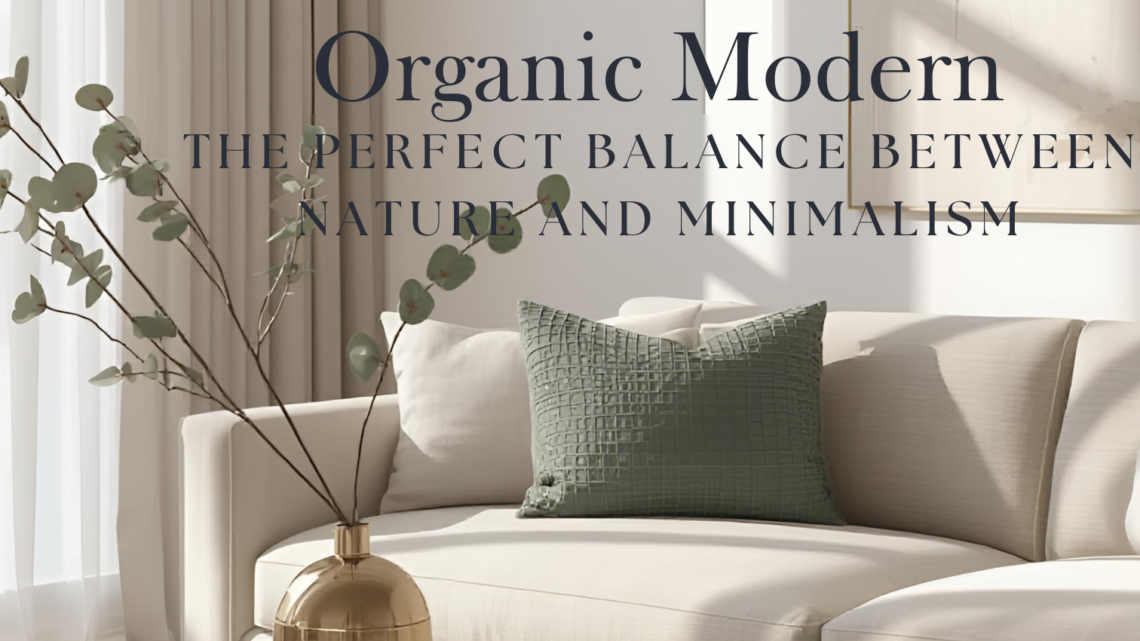
Organic Modern: The Perfect Balance Between Nature and Minimalism
January 18, 2026In the world of interior design, trends come and go, but some styles remain timeless due to their balance, simplicity, and connection with nature. One such style is Organic Modern—a design philosophy that seamlessly blends natural elements with minimalist principles to create spaces that feel serene, functional, and effortlessly stylish.
If you’re looking to bring the calming energy of nature into your home without sacrificing modern elegance, Organic Modern is the perfect approach. Here’s a complete guide to understanding this style and how to implement it in your space.
What is organic modern design?
At its core, organic modern design is about harmonizing nature and minimalism. It emphasizes clean lines, functional layouts, and understated elegance, while incorporating natural materials, textures, and colors. Unlike strict minimalism, which can sometimes feel cold or sterile, organic modern introduces warmth, softness, and a sense of life.
Key characteristics include:
- Neutral colour palettes with earthy tones like beige, taupe, olive, and clay.
- Natural materials such as wood, stone, leather, wool, and linen.
- Minimal clutter, but with intentional decor that feels organic.
- Large windows or natural light to create an airy, open environment.
- A balance between functional furniture and cosy accents.
1. Embrace Natural Materials
The hallmark of organic modern design is material authenticity. Wood, stone, clay, rattan, linen, and leather are not just decorative—they are the backbone of this style.
For example, a reclaimed wood dining table paired with simple linen chairs instantly brings warmth and grounding to a modern kitchen. Stone countertops or a natural stone feature wall can add texture and visual interest without overwhelming the minimalist aesthetic. The key is to let materials speak for themselves—avoid over-polishing or excessive ornamentation.
2. Stick to a Neutral, Earthy Palette
Colours play a major role in organic modern interiors. Neutral, earthy tones such as creams, beiges, soft browns, muted greens, and terracotta are the foundation. These colours evoke nature and create a calming, timeless vibe.
Accent colours can come from natural textures or soft greenery. For instance, a muted grey sofa with olive-green cushions, a clay vase, and a wooden coffee table creates visual depth while maintaining harmony. The goal is to keep the palette cohesive and understated, ensuring each element complements the others.
3. Minimalism Without Sterility
Organic Modern adopts the minimalism principle of “less is more”, but it avoids feeling cold or impersonal. Instead of stripping a room bare, focus on intentional, meaningful pieces.
Furniture should be functional yet elegant, with clean lines and minimal ornamentation. Accessories like handwoven rugs, stone sculptures, or linen throws add softness and character without cluttering the space. This approach ensures your home feels lived-in, warm, and grounded, rather than empty or clinical.
4. Incorporate Natural Light
One of the most important aspects of organic modern design is maximising natural light. Large windows, skylights, and open layouts help bring the outside in and make interiors feel airy and spacious.
Light-filtering curtains, sheer fabrics, or minimal blinds can soften sunlight without blocking it completely. Well-lit spaces highlight natural materials, emphasise textures, and make neutral palettes feel vibrant rather than flat.
5. Bring in Greenery
Plants are a natural extension of organic modern design. Greenery adds life, colour, and energy, connecting your indoor space with nature.
Choose low-maintenance plants like snake plants, fiddle leaf figs, or monstera. Place them in natural pots made of clay, ceramic, or woven materials to complement the style. Even a small herb garden on a kitchen window sill can reinforce the organic aesthetic and make your home feel fresh and inviting.
6. Layer Textures for Depth
Texture is essential for organic moderncolour, interiors. A room dominated by smooth surfaces can feel flat, while layered textures create visual interest and a tactile experience.
Combine soft linens, wool throws, leather cushions, natural fibre rugs, and stone or wood elements. For example, a linen sofa paired with a chunky wool rug and a rattan chair creates contrast, depth, and a cosy, natural feel. Textures are also a subtle way to introduce warmth while staying minimal.
7. Curate Functional, Timeless Furniture
Organic Modern spaces favour functional furniture with clean, elegant lines. Think low-profile sofas, simple wooden tables, and modular storage units. Each piece should be practical but visually appealing.
Avoid excessive ornamentation or overly trendy items. Instead, focus on timeless designs that work for years. Multi-functional furniture, like a storage ottoman or nesting tables, is ideal for maintaining simplicity without compromising utility.
8. Use Art and Accessories Sparingly
Art and decor in organic modern design are purposeful and understated. Minimalism means avoiding clutter, but you can still add personality.
Consider a single large painting, a stone sculpture, or handcrafted pottery. Accessories should enhance the space without dominating it. Stick to natural materials and muted tones to maintain harmony with the rest of the room.
9. Maintain a Connection With Nature
Organic modern interiors strive to bridge the gap between indoors and outdoors. This can be achieved through:
- Large windows with garden views
- Natural textures and materials inside
- Indoor plants or water features
- Outdoor-inspired colour palettes
By integrating nature thoughtfully, the home feels peaceful, rejuvenating, and connected to its environment.
10. Keep It Balanced
The essence of organic modern design lies in balance. Every element—colours, textures, furniture, and lighting—should feel cohesive. Too much minimalism can feel cold, while excessive organic elements can feel cluttered. The key is thoughtful curation: each piece should serve a purpose, be visually pleasing, and enhance the overall harmony of the space.
Final Thoughts
Organic Modern is more than just a design trend—it’s a lifestyle choice. It encourages mindful living by prioritising simplicity, natural beauty, and intentionality. With clean lines, earthy tones, natural materials, and carefully selected decor, you can create a home that feels luxurious, calming, and deeply connected to nature.
Whether you’re redesigning your living room, bedroom, or office, incorporating organic modern principles will give your space a timeless elegance and a sense of balance. By blending minimalism with organic elements, you can enjoy a home that is not only visually stunning but also comfortable, warm, and harmonious.
With a focus on quality, textures, natural light, and greenery, anyone can achieve a high-end organic modern look without spending a fortune. It’s the perfect balance between style, functionality, and nature—a design philosophy that truly nurtures both the home and its inhabitants.