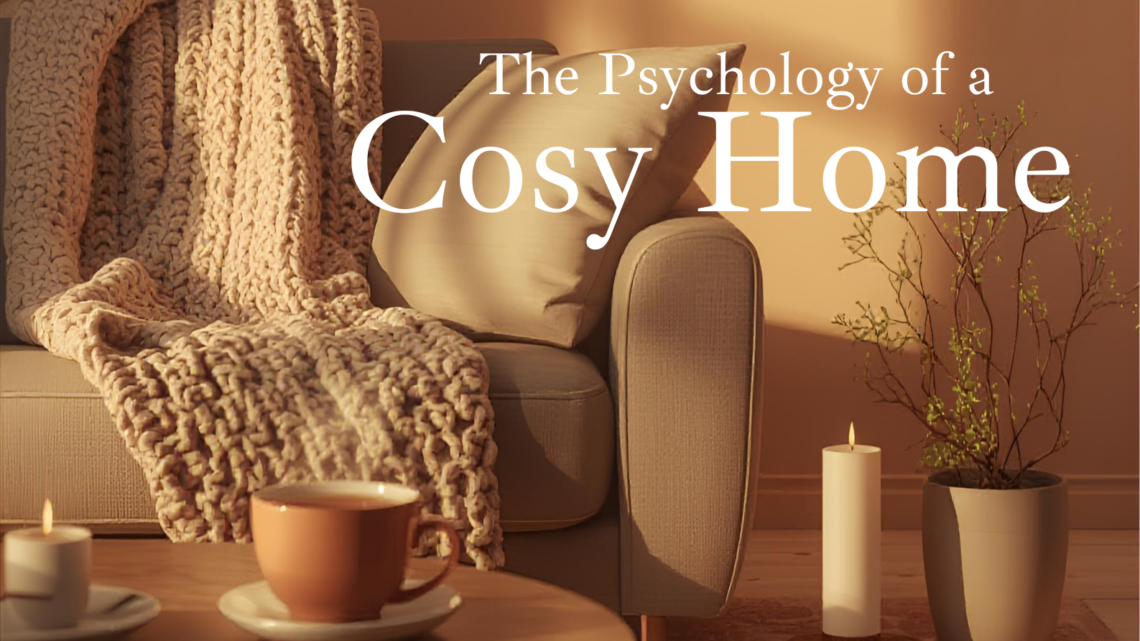
The Psychology of a Cosy Home: Designing Spaces That Heal
January 10, 2026A home is more than walls, furniture, and décor. It is a place where emotions, memories, comfort, and daily routines come together. Many people underestimate how much their surroundings affect their mental well-being. But the truth is simple: the way we design and arrange our home directly influences how we feel. A cosy home is not just visually pleasing; it can calm stress, boost happiness, and even support emotional healing.
This concept is rooted in psychology. Our brain reacts to environments the same way it reacts to people and experiences. A cluttered, harsh, or chaotic space can create anxiety, while a warm, soft, and well-designed space can bring peace.
In this blog, we explore the psychology behind cosy homes, why they affect us so deeply, and how to design a space that truly supports emotional healing.
Why Our Home Environment Matters
Home is our safe zone. It is where we relax after long days, recover from stress, and reconnect with ourselves. When the environment is cold, cluttered, or uninviting, it can negatively impact our mood. On the other hand, a warm and cosy space signals safety to the brain.
Here’s why the home environment is so important:
1. It influences mood.
A soothing environment reduces stress hormones and increases feelings of calm.
2. It affects focus and productivity.
A clutter-free home helps the brain process information better, leading to improved concentration and mental clarity.
3. It shapes emotional energy.
Warm lighting and soft colours can make you feel more comfortable and relaxed.
4. It supports healing.
A calm environment helps regulate the nervous system, promoting physical and emotional recovery.
Understanding “Cosy” from a Psychological Perspective
Many people think “cosy” means blankets, candles, and soft lighting. While those things help, cosiness is more about emotional comfort than physical objects.
Psychologically, a cosy home:
- Makes you feel safe
- Reduces stress
- Encourages rest
- Feels personalised
- Supports positive memories
- Allows freedom and ease
A cosy space is one where the mind can breathe. It helps disconnect from pressure and reconnect with peace.
Key Elements That Make a Home Feel Cosy and Healing
Below are the psychological triggers that contribute to a cosy, healing environment—and how you can apply them at home.
1. Warm Lighting
Lighting is one of the strongest emotional cues in interior design. Warm lighting tells your brain it is time to slow down.
Soft lamps, dimmable bulbs, and indirect lighting create a calming environment. Avoid harsh white lights, especially in the evening, because they keep the brain alert and interfere with relaxation.
2. Natural Elements
Nature has a proven healing effect on the mind. Adding natural materials helps reduce stress and increase happiness.
You can use:
- Houseplants
- Wooden furniture
- Stone accessories
- Linen fabrics
- Clay or ceramic décor
These textures remind the brain of the outdoors, bringing calmness into your space.
3. Soft Textures
Texture influences how cosy a space feels. Soft fabrics provide sensory comfort and help the body relax.
Incorporate:
- Plush rugs
- Cushions
- Throws
- Upholstered furniture
- Curtains
Soft textures offer warmth and grounding, making the home feel nurturing.
4. Calming Colours
Colour psychology plays a major role in emotional healing. Warm neutrals, soft earth tones, and muted shades create a peaceful atmosphere.
Great choices include:
- Beige
- Warm white
- Soft brown
- Olive green
- Taupe
- Clay
- Muted terracotta
These colours feel safe and comforting, helping reduce anxiety.
5. Decluttering and Organisation
A cluttered environment overwhelms the brain. Too many objects create visual noise and make it harder to relax.
Decluttering doesn’t mean minimalism. It simply means keeping only what you use and love.
Benefits of a clutter-free home:
- Clear mind
- Improved focus
- Reduced stress
- More space to breathe
Use baskets, shelves, and storage solutions to keep everything organised without sacrificing cosiness.
6. Personal Touches
A healing home feels personal. It reflects who you are and what makes you feel emotionally safe.
Add items that carry meaning, such as:
- Family photos
- Souvenirs from travels
- Artwork that inspires you
- Books you love
- Handmade pieces
These personal elements create emotional warmth and make your home feel like your own sanctuary.
7. Scent and Sensory Experience
Scents influence mood more than most people realise. A home that smells pleasant feels instantly more peaceful.
You can use:
- Essential oils
- Natural candles
- Incense
- Fresh flowers
- Scent diffusers
The goal is not a strong fragrance but a gentle sensory environment that signals relaxation.
8. Comfortable Furniture Layout
How furniture is arranged changes how you feel in a space. A cosy layout encourages relaxation and easy movement.
Key principles include:
- Sofas facing each other for comfortable conversation.
- Soft seating instead of overly modern, rigid pieces
- Warm corners for reading
- No overcrowded pathways
Design your home for comfort, not perfection.
9. Quiet Zones and Rest Areas
Psychologically, we all need a place to escape noise, work, and stress. A healing home offers pockets of quiet.
Create small zones like:
- A reading corner
- A meditation area
- A cosy window seat
- A soft bedroom atmosphere
These areas help you reset emotionally and mentally.
How Cosy Homes Support Emotional Healing
A cosy home does more than look nice—it actively supports emotional health. Here’s how:
Reduces stress
Soft lighting, textures, and organised spaces help lower cortisol levels.
Improves sleep
Warm colours and a peaceful layout prepare the brain for rest.
Boosts happy emotions
Natural materials and personal touches trigger positive memories.
Encourages mindfulness
Cosy corners and quiet spaces promote mental clarity and stillness.
Supports recovery
A calming environment helps the mind and body heal from exhaustion, emotional burnout, and daily pressures.
Designing a Cosy Home Doesn’t Require a Big Budget
Many people think cosy design means expensive furniture or trendy décor pieces. The truth is simple: cosiness comes from comfort, warmth, and personal meaning, not price.
Small, low-cost changes can make a big difference:
- Change bright bulbs to warm ones.
- Add a soft throw blanket.
- Rearrange furniture for better flow.
- Bring in a few plants.
- Declutter surfaces
- Add a small reading lamp.
- Use neutral tones.
It’s about intention, not money.
Final Thoughts
The psychology behind a cosy home shows that our environment has a powerful impact on our emotions. A cosy home is not just stylish—it is healing. It supports mental peace, emotional balance, and overall well-being.
By adjusting lighting, using natural elements, choosing calming colours, adding soft textures, and creating personal, meaningful spaces, you can transform your home into a place that feels safe, warm, and restorative.
A healing home is not perfect. It is personal, comforting, and designed with care. It reflects who you are while giving you space to grow, rest, and recover.