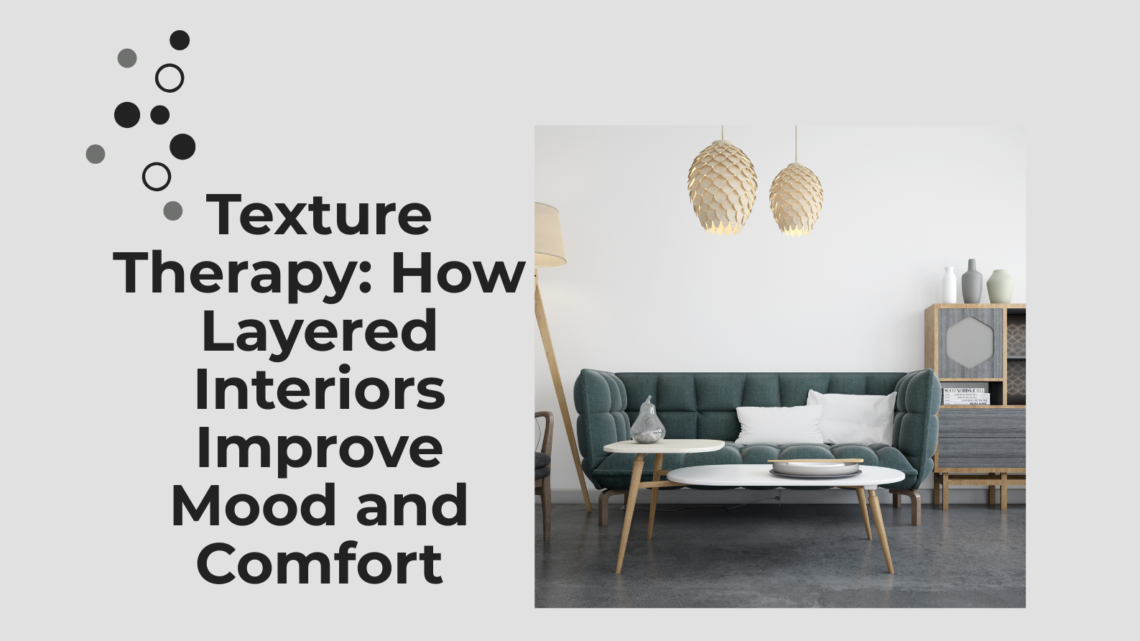
Texture Therapy: How Layered Interiors Improve Mood and Comfort
December 27, 2025In 2026, interior design is no longer just about how a home looks—it’s about how it feels. As people spend more time indoors and prioritize emotional well-being, a new design concept has become a favorite among homeowners and designers: texture therapy.
Texture therapy is all about using layers, materials, and tactile elements to create spaces that feel warm, comforting, and emotionally supportive. Whether it’s the softness of a wool rug, the warmth of wooden furniture, or the richness of woven textiles, textures have the power to transform our mood instantly.
This trend isn’t only aesthetic; it’s psychological. Layered interiors create balance, warmth, and a sense of belonging—qualities that people now seek more than ever in their homes.
Let’s explore why layered textures are becoming a core part of modern décor, how they influence our emotions, and how you can bring this comforting trend into your own home.
What Is Texture Therapy?
Texture therapy refers to the intentional use of layered materials, fabrics, and finishes to create an atmosphere of comfort and emotional well-being. It focuses on how surfaces feel—soft, rough, smooth, warm, or cool—and how those sensations affect our mood.
Instead of relying on color or furniture alone, texture therapy builds a multi-sensory experience, making your home feel cozy, inviting, and emotionally grounding.
Examples include:
- A chunky knit throw on a sofa
- A thick wool rug layered with a lighter cotton rug
- Smooth ceramics paired with rough stone décor
- Soft linen curtains with wooden furniture
- Rattan baskets placed next to glass surfaces
Each texture adds depth, warmth, and personality to a space.
Why People Are Turning Toward Layered Interiors
1. They Create Instant Comfort
We often underestimate the emotional power of touch. Soft fabrics and natural textures activate a sense of comfort that paint or furniture alone cannot provide. When you step onto a plush rug or wrap yourself in a textured blanket, your body reacts with relaxation.
A layered interior makes the home feel physically and emotionally soothing.
2. They Make Spaces Feel Warmer and More Lived-In
Minimalism had its moment with sleek surfaces and clean lines, but many people found it too cold and impersonal. Layered textures bring life back into those clean spaces. Even a simple room becomes warmer when you add:
- a soft throw
- a woven basket
- a natural fiber rug
- cushions with rich fabrics
Texture creates a sense of “home” rather than a display showroom.
3. They Reduce Stress and Support Emotional Well-Being
Studies show that texture reconnects the mind with the senses. When the environment feels warm and comforting, it reduces tension, anxiety, and overstimulation.
Soft textures like wool, velvet, cotton, and linen provide a calming sensory experience that promotes emotional grounding.
4. They Add Visual Depth Without Clutter
Texture layering isn’t the same as adding more objects. Instead, it’s about choosing pieces with tactile richness. This makes the room feel full and complete without overcrowding it.
Even with minimal décor, a room can feel balanced when different textures work together.
5. They Fit Perfectly with Current Design Trends
Texture therapy aligns with popular décor styles like
- Scandinavian design
- Japandi
- Organic modern
- Soft minimalism
- Rustic and farmhouse
- Boho chic
All these styles rely on natural, tactile elements that make interiors feel warm and grounded.
How Textures Influence Mood
Soft Textures Bring Calm
Materials like wool, cotton, fleece, and velvet create a sense of safety and comfort. They’re soothing to the touch and help reduce emotional tension, making bedrooms and living rooms feel like peaceful retreats.
Natural Textures Connect Us to the Earth
Wood, jute, rattan, clay, and stone mimic nature and activate grounding emotions. They remind us of the outdoors and help create a balanced, stable environment.
Rough Textures Add Character and Authenticity
Elements like unfinished wood, stone surfaces, and woven baskets add depth and a feeling of honesty to the design. They make a space feel real and lived-in rather than overly polished.
Smooth Textures Reflect Light and Create Calm
Smooth ceramics, glass, and polished metals bring clarity and brightness into a space. When paired with soft textures, they create harmony.
The mix of these textures is what makes texture therapy so powerful.
Where to Use Texture Layering in Your Home
1. Living Room
The living room is the heart of the home, making it the perfect place for texture therapy.
Ideas:
- Layer a wool rug with a flat-weave rug
- Add linen or velvet throw pillows
- Use a wooden coffee table with stone or ceramic décor pieces.
- Place a knitted throw blanket over the sofa.
- Add woven baskets for storage
The goal is to create a welcoming, warm space that encourages relaxation.
2. Bedroom
Bedrooms should feel soft, soothing, and restful. Textures play a huge role here.
Try:
- A soft upholstered headboard
- Cotton or linen bedding
- A shag or wool rug beside the bed
- Layered blankets or quilts
- Wooden bedside tables
- Textured lampshades
The mix of warm and soft textures helps create a cozy retreat.
3. Dining Room
Dining rooms often feel too formal. Texture layering makes them more inviting.
Ideas:
- A natural fiber rug under the table
- Wooden dining chairs
- Linen tablecloth or runner
- Ceramic plates and clay décor
- Woven placemats
These touches soften the room and make it feel more intimate.
4. Home Office
With work-from-home becoming common, people want offices that support focus and calm.
Add:
- A natural wood desk
- Soft curtains
- A woven rug
- A textured pinboard
- Ceramic or wooden pen holders
This environment helps maintain focus while reducing stress.
5. Bathroom
Bathrooms can feel cold due to tiles and hard surfaces, so adding texture is essential.
Try:
- Woven baskets
- Cotton towels
- Wooden accents
- Textured bath mats
- Stone soap dispensers
It instantly makes the bathroom feel spa-like.
How to Layer Textures the Right Way
1. Start with a Large Base Texture
This could be:
- a natural fiber rug
- textured wall paint
- a linen curtain
- a wooden floor
This sets the tone for the space.
2. Add Medium Textures
Examples include:
- upholstered furniture
- woven baskets
- wood furniture
- pottery or ceramics
These add richness and depth.
3. Finish with Soft, Smaller Textures
Small details make the biggest difference.
Use:
- throw blankets
- pillows
- decorative cushions
- table runners
- soft footstools
These create a cozy, layered look.
4. Mix Natural and Smooth Finishes
Balance is key.
Combine:
- wood + glass
- linen + ceramic
- wool + metal
- rattan + smooth paint
This keeps the space from feeling too heavy or too minimal.
5. Stick to a Unified Color Palette
Texture works best with cohesive colors like
- beige
- cream
- warm brown
- olive
- soft gray
- terracotta
This creates harmony and calm.
Why Texture Therapy Is the Future of Interior Design
Texture therapy is more than a trend. It’s a long-term approach to designing homes that feel good emotionally. As people continue to seek comfort, warmth, and mental peace, textured interiors will remain at the center of modern design.
Here’s why it’s here to stay:
- It supports wellness and emotional balance.
- It makes minimalist spaces feel warm.
- It adds richness without clutter.
- It works in any interior style.
- It creates a sense of home, not just decoration.
Homes are no longer about aesthetics alone—they’re about how a space makes us feel every day. Texture therapy embraces this shift by focusing on comfort, warmth, and sensory experience.